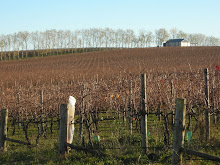
Vermentino from Australia
An interesting discussion came up on our Ozwine group mailing list on the grape variety, Vermentino. I have just recently had the opportunity to try some vermentino, traditionally a variety from Liguria, Tuscany and Sardinia in Italy.
I have been sampling some Sardinian wine recently, one of which is a Vermentino di Gallura DOCG from the wine coop Giogantinu. The wine has 13% alcohol and is very soft and inviting, with a thickness on the palate which lets you know you’re drinking hot climate white wine.
I also recently tried a Vermentino from the Montecucco area of Tuscany. It turned up most surprisingly at a dinner I was at recently where French wine should have been the protagonist. Unfortunately I didn’t get the producer’s name, but this was a far more elegant, fresh and subtle example. Really worth a try.
The discussion in our Ozwine group came up with Australian vermentino examples, including Brown Brothers, Foxey's Hangout the White Fox Vermentino and Mudgee growers, Di Lusso, who specialise in Italian varieties (thanks to Ozwin-ers for the tips!).
All this comes down to the fact that after my explorations of Italian vermentino, I will have to try the Australian interpretation of Italian wine, and try some “true blue” vermentino when I’m home at Christmas. It could make for the perfect summer aperitif.
Labels: Brown Brothers, Di Lusso, Italian grape varieties, Montecucco, mudgee, tuscan wine, Tuscany, Vermentino, wines from Sardinia
posted by Alison @ 11:01 pm
0 Comments